Copper coils are a crucial basic material used in industries ranging from air conditioner heat exchanger manufacturing to electrical equipment and pipe processing. Because copper is relatively soft and easily scratched, yet possesses high material value, the packaging process before shipment is particularly critical. A reasonable and stable copper coil packaging process not only affects the safety of the product during transportation but also directly impacts the quality of the goods received by the customer.
In modern manufacturing plants, copper coil packaging is typically completed using automated packaging lines. From unloading the coil, securing it, winding it, to final shipment, each step requires strict control. Below, we will explain the complete copper coil packaging process step-by-step from the perspective of actual production processes.
Copper coil unloading and preliminary inspection
After completing core production processes such as rolling or annealing, copper coils are gradually removed from the production line and transported to a dedicated coil storage area or packaging area. At this stage, the copper coils remain in a freshly produced state, making necessary checks crucial before entering the packaging process.
Quality inspectors or operators are typically stationed on the production floor to conduct basic checks. The aim is to ensure the coils are in suitable condition for packaging and to prevent defective products from continuing into the logistics process. This stage typically focuses on checking the following aspects:
Surface Quality Inspection
Copper surfaces are relatively soft and easily scratched or indented during production and handling. Therefore, it is necessary to check:
- Whether there are obvious scratches on the surface
- Whether there is oil, impurities, or dust contamination
- Whether there is localized oxidation or abnormal coloring
Edge Inspection of Sheet Material
The edges of the sheet material are one of the most vulnerable parts to damage during transportation. The following should be observed:
- Whether the edges are neat
- Whether there are burrs
- Whether there is obvious deformation or flattening
Roll Diameter and Weight Confirmation
By measuring the outer diameter, inner diameter, and weight of the roll material, confirm that it conforms to order specifications and the operating range of the packaging equipment.
Roll Tightness
If the roll material is loosely wound, structural deformation may occur during transportation or handling. Therefore, it is necessary to confirm that the roll winding is tight and stable.
Through this series of basic checks, potential problems can be identified before packaging, avoiding quality disputes during subsequent transportation or customer use.
Copper Coil Handling and Positioning
Copper coils are typically heavy and bulky; small coils may weigh tens of kilograms, while large industrial copper coils can weigh hundreds of kilograms or even tons. Therefore, moving copper coils from the production area to the packaging line usually requires specialized handling equipment.
Common coil handling equipment includes:
- C-frames
- Forklifts or specialized coil forklifts
- Coil handling trolleys
- Automated conveyor systems
These devices can safely clamp or lift copper coils and move them stably to their designated positions on the packaging line.
Upon arrival at the packaging station, the copper coils need to be accurately positioned. Depending on the packaging line structure, there are generally two common placement methods for copper coils:
- Vertical placement: The inner hole of the coil faces upwards. This method facilitates certain types of winding or strapping operations.
- Horizontal placement: The inner hole of the coil faces horizontally outwards. This method is more common in automated circular winding packaging lines.
Correct positioning not only ensures the normal operation of the packaging equipment but also ensures that subsequent packaging materials can evenly cover the entire surface of the coil.
Coil Securing and Initial Protection
Before formal packaging, copper coils typically require a degree of structural securing. The main purpose of this step is to prevent the coil from loosening or deforming during handling, packaging, or transportation.
Common securing methods, depending on the coil specifications and customer requirements, include:
Steel strapping
Using metal strapping to secure the coil in a circumferential manner can effectively improve the overall stability of the coil and is suitable for heavy copper coils.
PET plastic steel strap fixing
For some medium-weight roll materials, PET tape is a common choice. Its advantages include light weight, ease of handling, and good tensile strength.
Edge protection structure
Copper coil edges are typically fitted with:
- Paper corner protectors
- Plastic protective rings
- Metal protective rings
These features effectively reduce impact and compression on the coil edges during handling and transportation.
For copper coil products with high surface finish requirements, this stage of protection is particularly important, as edge damage often directly affects subsequent processing and use by the customer.
Packaging Material Coverage
In the packaging of copper coils, packaging materials not only serve to cover the surface but, more importantly, provide multiple layers of protection to reduce potential environmental impacts during transportation and storage.
Depending on the shipping method and customer requirements, packaging materials are typically used in combination. Common materials include:
- Moisture-proof PE film: Used to isolate air and moisture, preventing oxidation or discoloration of the copper in humid environments.
- VCI anti-corrosion paper: This material releases anti-corrosion molecules, forming a protective layer on the copper surface, particularly suitable for products transported over long periods.
- Composite packaging paper: Possesses high strength, providing basic protection while preventing surface friction.
- Cushioning materials: Such as bubble wrap or foam pads, which reduce vibration and impact during transportation.
For copper coils exported by sea, the packaging typically employs a multi-layered structure, such as:
- Inner layer of rust-proof paper
- Middle cushioning layer
- Outer layer of moisture-proof film.
This combination effectively copes with temperature and humidity changes during long-term transportation.
Automated Stretch Wrapping
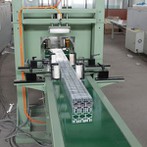
In modern copper processing plants, automated packaging equipment has become a crucial tool for improving efficiency. One of the most widely used pieces of equipment is the circular stretch wrapping machine.
This equipment uses a rotating wrapping ring to continuously wind the packaging material around the copper coil, forming a uniform and stable protective layer.
Automated stretch wrapping typically features the following characteristics:
- Automatic identification of coil size and adjustment of packaging position
- Adjustable tension to avoid packaging that is too loose or too tight
- Controllable overlap rate to ensure complete material coverage
- Automatic film cutting and sealing, reducing manual operation
Automated wrapping significantly improves packaging efficiency while ensuring consistent packaging quality. For mass-produced copper coils, this method can significantly reduce labor costs.
External Reinforcement and Labeling
After basic packaging, copper coils typically undergo further external reinforcement to ensure stability during long-distance transportation and storage. Common reinforcement methods include:
- External Strapping: Adding extra straps to the outside of the packaging material further enhances the overall structural strength.
- Pallet or Base Mounting: Some copper coils are mounted on wooden pallets or metal bases for easy forklift handling.
- Collision Protection: For export or long-distance transportation, additional collision protection may be added, such as wooden frame reinforcement and edge cushioning materials.
After reinforcement, each coil needs to be clearly labeled with relevant information. Common labels include:
- Product Model
- Coil Size
- Weight Information
- Batch Number
- Customer Order Number
- Barcode or QR Code
A standardized labeling system not only facilitates warehouse management but also improves logistics tracking efficiency.
Warehousing or Loading for Shipment
After packaging, the copper coils are transferred to the finished goods warehouse, awaiting shipment arrangements. In warehousing management, copper coils are typically categorized and stored according to product specifications, order batches, or customer requirements.
When an order enters the shipment stage, the packaged copper coils are loaded into transport vehicles or containers using forklifts or cranes. Proper placement during shipment is also crucial. Common transportation methods include:
- Pallet transport
- Truck transport
- Container shipping
- Rail transport
To prevent movement or collisions during transport, additional securing measures are usually taken, such as:
- Using anti-slip mats
- Using wooden blocks or supports for restraint
- Using straps for securing
For copper coils shipped for export, additional moisture-proof measures are usually added, such as desiccants or sealed packaging, to ensure the product remains in good condition after long-term transportation.
Conclusion
Although copper coils are common industrial materials, their weight and high surface finish necessitate a standardized packaging process. From coil inspection and handling to automatic winding and outer reinforcement, each step directly impacts the safety and integrity of the product during transportation.
With the increasing automation in the manufacturing industry, more and more copper processing companies are adopting fully automated copper coil packaging lines to replace traditional manual packaging methods. This not only improves packaging efficiency but also significantly reduces labor costs and minimizes product damage caused by improper operation.
If you are looking for a reliable automated copper coil packaging solution, please contact Jinglin Packaging. We specialize in the research and development and manufacturing of industrial coil packaging equipment and can provide customized copper coil packaging line solutions based on the needs of different production lines, helping companies achieve a more efficient, stable, and safe packaging process.