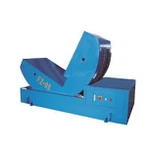
Within the modern supply chain for construction materials, aluminum coil serves as a fundamental metallic raw material, finding widespread application in curtain wall systems, roofing structures, interior ceilings, decorative panels, and various downstream processing sectors for aluminum profiles. Given that its surface quality directly impacts the aesthetic appearance and structural integrity of the final building, "packaging" has emerged as a critical link in ensuring the consistent quality of the material throughout the entire production and distribution process.
Particularly against the backdrop of the construction industry's ever-rising standards regarding delivery protocols, transport safety, and surface integrity, an increasing number of enterprises are now adopting specialized aluminum coil packaging lines to achieve standardized, automated, and fully controllable packaging management.
Packaging Requirements for the Construction Industry
The applications of aluminum coils within the construction sector are characterized by distinct engineering attributes; consequently, their packaging requirements are significantly more rigorous than those for general industrial applications. These requirements are primarily manifested in the following aspects:
1. Surface Quality Determines Project Grade
In subsequent processing stages, aluminum coils are typically utilized for building facades or decorative structures. Any minute scratches, indentations, or signs of oxidation will directly compromise the grade of the finished product; therefore, the packaging must provide a high standard of protective capability.
2. Long-Distance, Multi-Stage Logistics Environments
From the aluminum rolling mill to the fabrication plant and finally to the construction site, aluminum coils frequently undergo multiple handling operations and prolonged transit periods, placing extremely high demands on packaging stability.
3. Requirements for Large-Volume, Continuous Supply
Construction projects typically involve concentrated delivery schedules, necessitating a packaging system that is highly synchronized with production cycles to prevent logistical bottlenecks.
Against this backdrop, traditional manual packaging methods are no longer capable of meeting the requisite standards for consistency and efficiency; as a result, automated aluminum coil packaging lines have increasingly become the standard configuration.
Common Packaging Risks
In practical applications, common issues encountered during the packaging and transportation of aluminum coils primarily include:
- Surface Scratches and Abrasion
Due to the selection of unsuitable packaging materials or improper securing methods, friction-induced damage can easily occur during handling.
- Edge Crushing and Structural Deformation
The edges of aluminum coils are particularly sensitive; if packaging tension is applied unevenly, localized indentations or crushing can easily result.
- Moisture Intrusion Leading to Oxidation
During sea transport or in high-humidity environments, insufficient moisture-proofing measures can lead to the formation of surface oxidation spots or even corrosion.
- Loose Packaging Leading to Displacement Risks
Given the significant vibrations inherent in transportation, an unstable securing system can easily result in the shifting or displacement of the coiled material.
Core Solutions
Modern aluminum coil packaging lines are typically no longer standalone machines, but rather systematic solutions comprising multiple functional modules. Their core components include:
1. Multi-Layered Protective Packaging Structure Design
A typical structure usually consists of:
- Inner Layer: Moisture-proof film / VCI anti-rust film
- Middle Layer: Cushioning protective material (anti-scratch, shock-absorbing)
- Outer Layer: Reinforcement packaging (stretch film or composite materials)
This multi-layered structure achieves dual protection-safeguarding against both physical damage and environmental factors.
2. High-Precision Automatic Wrapping System (Core Component)
Utilizing PLC or servo control systems, the aluminum coil packaging line achieves precise control over wrapping speed, tension, and overlap ratio, thereby ensuring:
- No excessive pressure is applied to the aluminum coil surface
- No looseness or gaps occur within the packaging
- Packaging consistency is maintained
This specific module directly determines the stability and quality of the packaging.
3. Integrated Moisture-Proof and Anti-Oxidation Processing System
To address the long-distance transportation requirements of the construction industry, aluminum coil packaging lines typically integrate:
- VCI (Vapor Corrosion Inhibitor) anti-rust technology
- High-barrier moisture-proof films
- Desiccant-assisted systems
This approach minimizes the probability of moisture ingress into the packaging from the very source.
4. Automatic Strapping and Reinforcement System
Through the use of steel or PET strapping equipment, the aluminum coil is secured at multiple points, enhancing the overall structural resistance to impact-a feature particularly essential for maritime shipping or long-haul logistics environments.
5. In-Line Conveying and Continuous Operation System
The aluminum coil packaging line can be seamlessly integrated with upstream rolling and slitting lines to facilitate:
- Automatic loading
- Automatic packaging
- Automatic unloading
This minimizes manual handling steps and significantly improves the overall production cycle time.
The Value of Automation
As the building materials supply chain continues to scale up, the role of aluminum coil packaging lines within the industry has evolved from that of auxiliary equipment to a critical production system. Their value is primarily reflected in the following aspects:
- Enhanced Packaging Consistency and Standardization
Automated systems ensure consistent packaging quality for every aluminum coil, thereby eliminating variations inherent in manual operations.
- Reduced Reliance on Manual Labor and Lower Comprehensive Costs
Automation minimizes repetitive manual tasks while simultaneously reducing material waste caused by improper handling.
- Improved Efficiency in Production and Logistics Coordination
Aluminum coil packaging lines can be seamlessly integrated with upstream processes-such as rolling and slitting-to minimize intermediate waiting times.
- Enhanced Adaptability for Export Transportation
These systems meet the diverse industrial packaging safety standards required by various countries, thereby bolstering the reliability and stability of export operations.
Conclusion
Against the backdrop of continuously rising demands within the construction industry regarding material quality and delivery efficiency, aluminum coil packaging has evolved from a traditional auxiliary process into a critical link influencing the stability of the supply chain. The strategic configuration of an aluminum coil packaging line not only effectively minimizes transit damage but also significantly enhances the overall efficiency of production and logistics coordination.
If you are seeking a more stable and efficient solution for aluminum coil packaging lines, we invite you to contact Jinglin Packaging; we offer customized equipment and systematic packaging solutions tailored to suit a diverse range of production environments.